
Color Vision Changes & Aging - What’s Normal vs. Concerning

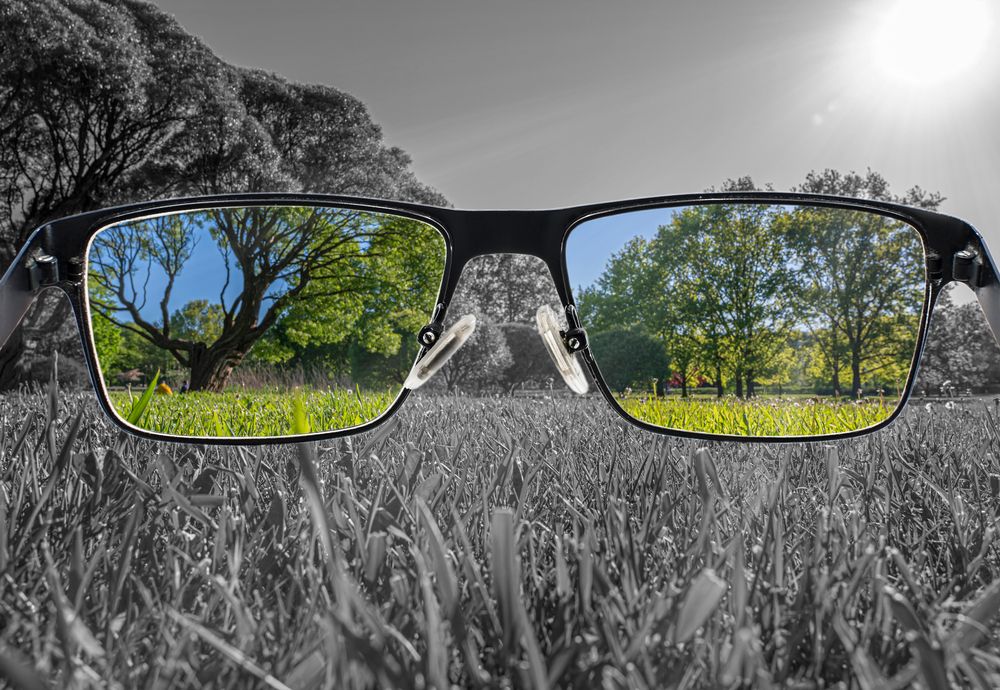
Color vision can change gradually with age, and many people do not notice it right away. Colors may seem less vibrant, certain shades may become harder to tell apart, and overall visual clarity may not feel quite the same as it once did. In many cases, these shifts are part of the natural aging process.
At the same time, some color vision changes may signal an underlying eye condition rather than normal aging alone. Knowing the difference between expected age-related changes and symptoms that deserve medical attention can help protect long-term eye health and vision.
What Color Changes Are Usually Normal With Age
Normal age-related color vision changes tend to develop slowly. Many adults notice that blues and greens may be harder to tell apart, or that colors do not seem as vivid as they once did. This is often related to natural changes in the lens and other structures of the eye.
A gradual reduction in contrast sensitivity can also make colors appear duller. These changes are often mild at first and may not interfere much with daily life, especially when corrected vision is otherwise stable.
When Color Vision Changes May Be Concerning
Some color vision changes are not considered normal. If colors suddenly look washed out, uneven between the eyes, or noticeably distorted, it may be a sign of a more serious problem. Eye diseases that affect the retina or optic nerve can interfere with color perception.
Warning signs to pay attention to include:
- Sudden changes in how colors look
- Reduced color brightness in one eye
- Blurry vision along with color changes
- Dark spots, missing areas, or distortion in vision
- Eye pain, headaches, or flashes of light
Eye Conditions That Can Affect Color Vision
Several eye and health conditions can impact color vision as you get older. Cataracts are a common cause because they cloud and yellow the lens, which can change how colors are seen. Age-related macular degeneration, diabetic eye disease, glaucoma, and optic nerve problems may also affect color perception.
In some cases, medications or other health conditions can contribute as well. That is why a professional eye exam is important when color vision changes seem unusual or are getting worse.
Why Early Evaluation Is Essential
Because color vision changes can be linked to common age-related eye diseases, early evaluation matters. A comprehensive eye exam can help identify whether the change is part of normal aging or a sign of a condition that needs treatment.
At Diamond Bar Optometric Center, patients have access to comprehensive eye care and medical eye services in a practice that emphasizes advanced eye care technology and personalized care. Regular exams can help detect problems early and protect long-term vision.
How to Know When to Schedule an Eye Exam
If your color vision seems slightly less vivid over time, that may be normal. But if the change is sudden, more noticeable in one eye, or happens with blurred vision, distortion, or discomfort, it is best to schedule an eye exam right away. Even without obvious symptoms, routine eye exams become more important with age. They can help monitor gradual changes and catch eye disease before it causes more serious vision loss.
Contact Diamond Bar Optometric Center to schedule an eye exam and find out whether your color vision changes are a normal part of aging or a sign of something more serious. Visit our office in Diamond Bar, California, or call (909) 310-0334 to book an appointment today.

All Eye
Care Services

Keep
In Touch
Quick contact form
Contact Us
clinic Hours
- MondayCLOSED
- Tuesday9:00 AM - 6:00 PM
- Wednesday9:00 AM - 6:00 PM
- Thursday9:00 AM - 6:00 PM
- Friday9:00 AM - 6:00 PM
- Saturday8:00 AM - 2:00 PM
- SundayClosed
Powered by: